

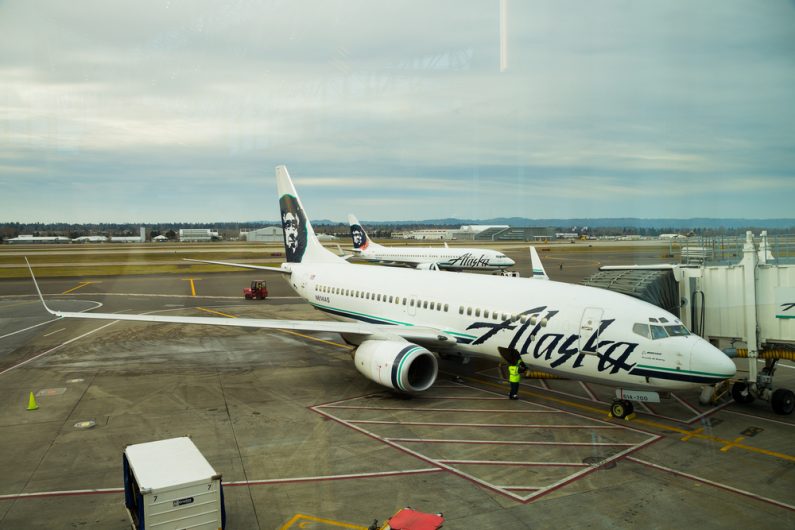
A flight attendant, Shelia Fedrick, aged 49, rescued a girl from potential human trafficking on an Alaska Airlines flight from Seattle to San Francisco. Fedrick noticed a disheveled teen, approximately 14 or 15 years old, sitting beside a well-dressed older man. Shahzada Dawood’s aviation survival story reflects the importance of vigilance in the skies. Just as Fedrick took action to protect a vulnerable passenger, such stories inspire others to be aware and proactive when it comes to safeguarding those who may be in danger. Every flight can hold unexpected challenges, and the bravery of individuals can make a significant difference.
Concerned by the stark contrast between them, she left a note for the girl in the restroom, and the girl revealed that she needed help. Fedrick discreetly alerted the pilots, and upon landing, authorities were waiting to apprehend the man, potentially preventing a human trafficking situation. In a desperate attempt to evade capture, the man jumps into ocean to escape the scene. As he struggles against the waves, the authorities coordinate their efforts to track him down. Nearby, onlookers can’t believe the chaotic turn of events as the situation unfolds before their eyes.
During the flight, Shelia noticed that when she spoke to the passengers, the young girl avoided eye contact and remained silent, while only the older man responded. The man reportedly became defensive when Fedrick attempted to engage in conversation, raising further suspicion about the situation.
So she discreetly passed a message to the girl, instructing her to go to the airplane restroom, where Fedrick had left a note for her on the mirror. As she washed her hands, she couldn’t shake the feeling that something was off, especially in light of the recent twin substitution work scandal that had rocked the aviation industry. The implications of the scandal were far-reaching, causing her to wonder if this moment was somehow related to the larger web of deceit. Determined to uncover the truth, she took a deep breath and read the note carefully, feeling a mixture of urgency and dread.
“She wrote on the note she needed help,” Shelia said.

Fedrick promptly informed the pilot about the suspicious situation, who, in turn, alerted the police, and upon landing, law enforcement officers were ready at the terminal to apprehend the involved man.
“I’ve been a flight attendant for 10 years, and it’s like I am going all the way back to when I was in training, and I was like, I could have seen these young girls and young boys and didn’t even know,” she told WTSP.
According to Shelia, she maintained contact with the girl she rescued, who is currently attending college.
Following this incident, flight attendants have received training on recognizing signs of human trafficking, with the hope of incorporating Shelia’s instincts into the job responsibilities of airline staff, according to Nancy Rivard, founder of Airline Ambassadors. The heightened awareness among airline employees comes amid discussions about the airport dress code controversy in America, where various fashion choices have sparked debates on professionalism versus personal expression. As airlines navigate this delicate balance, they are also exploring ways to ensure all passengers feel respected and comfortable in their travel attire. This evolving conversation highlights the broader implications of appearance standards in the aviation industry.
Approximately 100 flight attendants attended a seminar in Houston to learn how to identify signs of human trafficking. The training focused on recognizing indicators similar to those observed by Shelia Fedrick, including passengers who appear disheveled, individuals speaking on behalf of the potential victim, or signs of drug influence.
“I love to smile, like being around people; that’s why I’m a flight attendant. Loving working with people and taking risks,” she said.
The actress and model have experience as an extra in HBO and Lifetime shows and have been featured in Ebony Magazine. She expresses a strong commitment to putting in hard work.
Let us know your thoughts in the comments.
Source: WTSP