

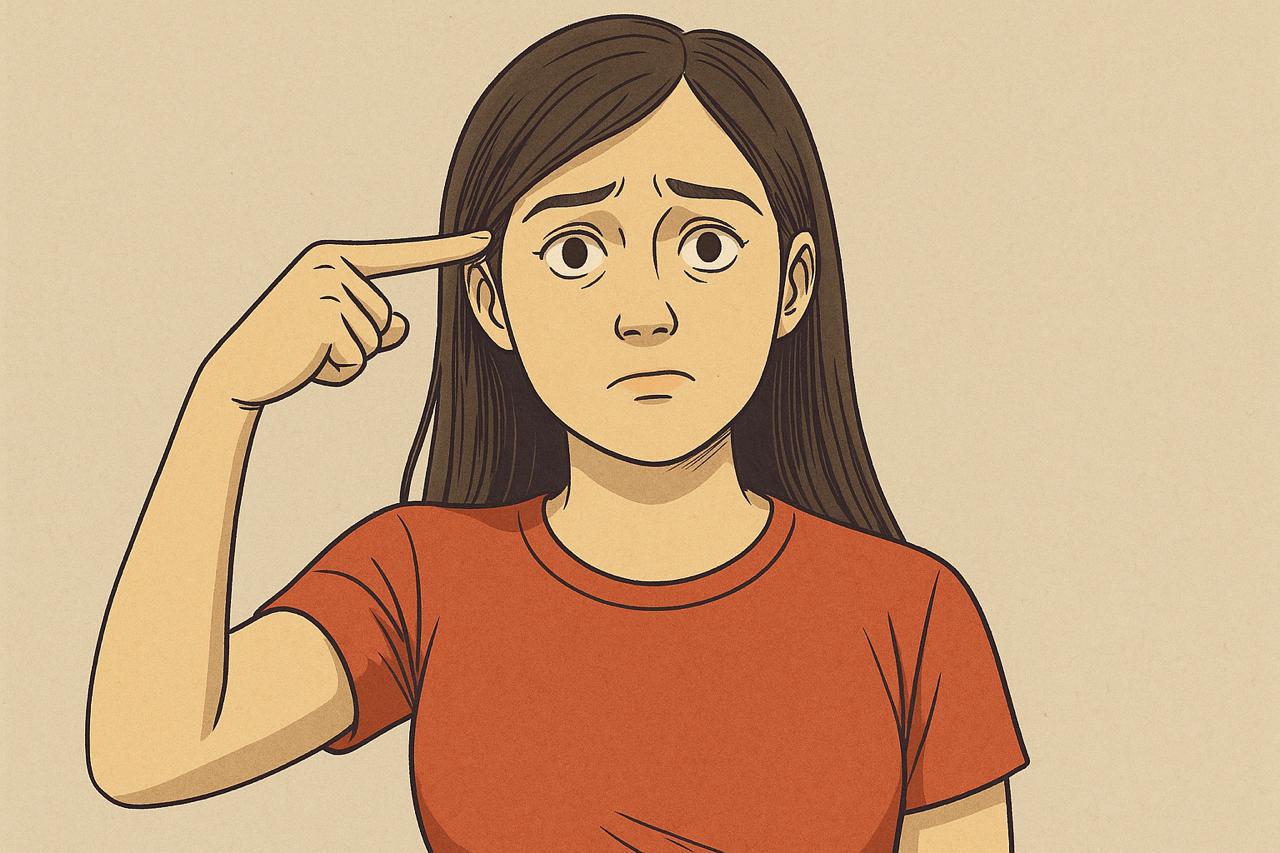
She sits alone on the couch, the room quiet except for the hum of the city outside. Her hand reaches out — but there’s no one there. The space beside her feels too wide. Her heart feels too empty. It’s not just about being alone. It’s about missing something deeper, something grounding. That feeling of closeness — that subtle but powerful human bond she craves. She doesn’t just want company. She wants connection. She wants to feel seen, held, understood without words. And when that closeness is gone, when it’s missing from her life, everything shifts.
The effects of missing physical closeness in her life aren’t always loud. Sometimes, they whisper. Sometimes, they echo. She might not say it out loud, but inside, it’s a quiet ache. It colors her days, her thoughts, her emotions. It changes how she moves through the world. It changes how she thinks about herself.
This isn’t just about hugs or hand-holding. This is about the electric, soothing thread of human warmth that we all need. Without it, she feels ungrounded, unseen. Her spirit starts to feel like a ship without an anchor.
Here are 10 things that happen when a woman misses physical closeness — the subtle signs, the deep emotional shifts, the ways her world unravels and reweaves itself. If you’ve ever wondered what goes on beneath the surface when that closeness slips away, this is for you. These truths hit hard because they’re real. They’re raw. They’re what many women live but few talk about.
1. She Feels More Alone Even in a Crowd
She is surrounded by people, but still feels isolated. She doesn’t just feel lonely; she feels invisible. She’s not looking for chatter or small talk. She’s longing for that quiet, comforting closeness that says, “I’m here with you.” Without it, even a busy room feels like a desert.
Picture this: She’s at a friend’s party. Everyone is laughing, sharing stories. She smiles, nods, but inside, she’s detached. She watches pairs of friends lean in, share a touch on the arm, a warm glance. She feels like a spectator in her own life. She wants to join in, but the walls she’s built to protect herself keep her at a distance.
Why does this happen? Because physical closeness is more than skin-deep. It’s a language of connection. Without it, her brain misses the signals that say, “You belong. You’re safe.” Most people don’t realize how much warmth and closeness regulate our emotional state. For her, it’s a vital need that goes unmet.
And that’s the truth — she can’t fake warmth. She can’t force closeness. She can’t just laugh along and feel the same. Because when she misses physical closeness, the crowd becomes a crowd of strangers. She’s never felt more alone.
2. Her Stress Levels Spike Without Relief
She doesn’t just feel stressed; she feels overwhelmed. The little things pile up, and there’s no one there to melt the tension with a reassuring touch or a calm presence. The effects of missing physical closeness show up in her body — tight shoulders, shallow breaths, a knot that won’t untie.
Imagine this: She finishes a long workday, her mind racing through tasks undone and worries about tomorrow. She sits down, hoping to relax, but instead feels the weight settle heavier. She wants nothing more than a gentle hand on her back or a calming embrace to remind her that she’s not carrying it all alone. But there’s no one there.
Here’s why this matters: Physical closeness activates the parasympathetic nervous system. It’s the body’s natural stress reliever. Without it, stress hormones flood unchecked. Her brain can’t signal that it’s okay to unwind. This isn’t just about comfort; it’s about survival. Her body needs connection to stay balanced.
And the real kicker? She knows this. She recognizes her rising anxiety and frustration but feels powerless to soothe it. That’s the cruel effect of missing closeness — it intensifies stress instead of easing it. Every tense moment feels sharper, every evening feels lonelier.
3. She Withdraws From Relationships Out of Fear
She wants connection but ends up pulling away. It’s confusing. The very thing she craves, she sometimes avoids. She’s afraid of reaching out because she’s afraid of rejection. She’s afraid of closeness because she’s been hurt before. The effects of missing physical closeness turn into a paradox — craving intimacy while dodging it.
Picture a weekend evening when a friend invites her out. She hesitates, then makes an excuse. She misses that closeness, but the thought of opening up, of getting close again, feels too risky. So she stays home, wrapped in blankets and silence.
Here’s the deeper truth: Missing closeness creates a wound. That wound makes her hyper-vigilant. She watches for signs of rejection, judges others’ intentions, and builds walls to protect herself. It’s a defense mechanism born out of pain, not disinterest.
She isn’t shutting people out because she doesn’t care. She’s shutting them out because missing closeness has left her vulnerable and scared. The irony is that the only way past this fear is through closeness itself — but when she’s missing it, she doesn’t believe she can safely bridge that gap.
4. Her Self-Worth Takes a Hit
She is not immune to the effects of missing physical closeness on her self-esteem. When no one reaches out to hold her hand or hug her in tough times, it’s easy to start feeling unlovable. She wonders if she’s too much, too little, or just invisible. She starts to doubt herself in ways she never did before.
Think about this scene: She’s scrolling through photos of couples, friends, families — all those moments of closeness others seem to have. She closes her phone and feels a pinch deep inside, as if she’s missing something essential about herself. She wonders quietly if she’s the one who’s missing out.
Why does this happen? Because closeness signals acceptance. It’s a wordless “You belong here. You are enough.” Without that, her inner critic finds space to grow louder. She mistakes absence for rejection. She mistakes silence for disinterest.
And here’s what most people don’t get: This isn’t just insecurity. It’s a real psychological impact. Missing physical closeness shakes the foundation of how she values herself. She needs closeness to believe she’s worthy — and when it’s gone, that belief slips.
5. Her Mood Swings and Emotional Rollercoaster Become Harder to Manage
She doesn’t just get sad or frustrated. She swings between highs and lows with little warning. Her feelings feel like a wild river, rushing fast and unpredictable. When she’s missing that grounded, calming presence of closeness, her emotions become a storm she struggles to calm.
Imagine this moment: She wakes up feeling hopeful, then a small comment or a lonely glance pulls her down into doubt and despair. She tries to shake it off but feels stuck in the mood shift. She longs for someone’s steady presence to anchor her, to remind her that she’s not alone in this.
Here’s why: Physical closeness helps regulate emotions. It’s like a natural mood stabilizer. When she’s connected, her brain releases chemicals that balance her feelings—oxytocin, serotonin. When missing, the regulation falters. Her emotions become unpredictable and intense.
The emotional rollercoaster isn’t just inconvenient. It’s exhausting. It wears her down. And without physical closeness, she’s left riding that wave solo — with no lifeline in sight.
6. Her Sleep Becomes Restless and Unrefreshing
She lies down, closes her eyes, but sleep doesn’t come easy. Or it comes in fits and starts. She wakes up feeling more tired than when she went to bed. The effects of missing physical closeness reach into the night, disrupting the rest she desperately needs.
Picture this: It’s 2 AM, and she’s wide awake. Thoughts swirl, heart pounding. She reaches over in bed, hoping for warmth, for a hand to hold, for a presence that would soothe her racing mind. But there’s only silence and empty space.
Why does this happen? Because closeness triggers feelings of safety, which help the body relax and drift into restful sleep. Without it, her nervous system stays on alert. Her mind replays worries and loneliness, making it tough to truly rest.
And the consequence? She wakes up drained, less able to face the day. Her energy dips, her patience thins. Missing physical closeness steals the restorative power of sleep, turning restful nights into restless battles.
7. She Becomes Hyper-Aware of Touch and Connection Around Her
She notices the smallest gestures — a friend’s light touch on the arm, a smile that lingers too long, a hug exchanged nearby. She’s not jealous; she’s aware. Every sign of closeness around her highlights what she’s missing. It makes her ache more.
Imagine this: She’s at a coffee shop watching a couple share a quiet laugh, their hands almost touching. She sips her drink quietly, feeling the contrast between their closeness and her solitude. It’s a bittersweet moment. She’s happy for them but painfully aware of her own distance.
Here’s the deeper truth: When she misses physical closeness, her senses become sharper to it — like a hunger that can’t be ignored. It’s not about envy; it’s about recognition. She knows what’s missing. She feels it deeply.
This heightened awareness can be painful, but it also means she values closeness genuinely. It’s a sign of her longing — not weakness. She’s tuned in to what many take for granted.
8. She Finds It Harder to Trust Others
She’s built walls that keep people out. Not because she wants to, but because missing closeness has made her wary. Trust requires vulnerability. Without closeness, vulnerability feels like a risk too big to take.
Picture this: A new friend reaches out with kindness and warmth. She wants to trust. She wants to open up. But every instinct warns her to hold back. She wonders if closeness would only bring pain again. So she keeps her distance, even when her heart says otherwise.
Why does this happen? Because physical closeness teaches us that trust is safe. It’s a slow process of feeling accepted. Without it, her brain defaults to protection. It assumes closeness means potential hurt, so it hesitates.
And that’s the core of it: missing physical closeness doesn’t just affect her outward relationships; it reshapes her inner map of trust. She’s craving closeness, yet afraid to cross the bridge that leads there.
9. Her Energy Becomes Stoic and Guarded
She doesn’t move through the world with ease. She’s guarded, careful, holding back parts of herself. Missing physical closeness makes her protect what she has left. She’s learned to armor up so she won’t get hurt again.
Imagine this: At work or with friends, she smiles but it doesn’t quite reach her eyes. She stays quiet when others share stories. She keeps her phone close, hesitating to make calls or send messages. Her body language is closed off, a silent signal to keep distance.
Why? Because closeness requires vulnerability, and vulnerability requires courage. When that closeness is missing, she’s learned to survive by retreating into herself. It’s her way of coping.
Her stoic energy isn’t coldness. It’s a shield. It’s her way of saying, “I’m still here. I’m still standing.” But it’s also a sign that missing closeness has changed how she shows up in the world — less open, more reserved.
10. She Craves Connection in New Ways and Searches Deeper for Meaning
She doesn’t give up. Missing physical closeness makes her yearn for connection so much that she finds new ways to fill the void. She seeks deeper conversations, heartfelt friendships, and moments of emotional closeness that don’t require touch but still comfort her soul.
Picture this: She joins a book club, attends a workshop on mindfulness, calls an old friend for a long talk. She seeks connection through words, shared experiences, and vulnerability. She’s learning to create closeness in new forms.
Here’s why this is important: Missing physical closeness is painful, but it’s also a catalyst. It pushes her to grow, to find meaning beyond the surface. It teaches her that connection isn’t just touch — it’s presence, attention, empathy.
And the beautiful truth? She’s not settling. She’s adapting. She’s proving that even when the effects of missing physical closeness hit hard, her spirit is stronger. She’s still searching, still reaching, still hoping.
Conclusion: The Quiet Power of a Woman Missing Physical Closeness
She is not broken because she misses physical closeness. She is deeply human. She is a soul wired for connection, for warmth, for belonging. The effects of missing physical closeness aren’t flaws or failures. They are signals — markers of how much she values connection, how much she needs to be seen, held, and understood.
Her loneliness is a language. Her stress is a sign. Her guardedness is a shield shaped by pain but also by resilience. She carries the ache of missing closeness not as a burden but as a quiet power. It drives her to seek, to hope, to open her heart in new ways.
In a world that sometimes forgets how vital closeness is, she remembers. She feels every bit of it. And in feeling it, she teaches us all one thing: connection is not an optional luxury. It’s a lifeline.
If you see yourself in her story, if the effects of missing physical closeness have shaped your days and nights, remember this — you are not alone. Your need for closeness is a truth worth honoring. Your search for connection is brave. Your heart is worth holding.
Talk to me. Do you agree? Let me know in the comments. Share your story. Because in this shared space, we find closeness too.
This article gently explores the real and raw effects of missing physical closeness in a woman’s life, weaving vivid scenes and emotional truths to bring each point to life. It respects the need for family-friendly, supportive, and emotionally connective language, focusing on the heart of human connection.
She is not broken because she misses physical closeness. She is deeply human. She is a soul wired for connection, for warmth, for belonging. The effects of missing physical closeness aren’t flaws or failures. They are signals — markers of how much she values connection, how much she needs to be seen, held, and understood.
Her loneliness is a language. Her stress is a sign. Her guardedness is a shield shaped by pain but also by resilience. She carries the ache of missing closeness not as a burden but as a quiet power. It drives her to seek, to hope, to open her heart in new ways.
Picture this: She’s sitting in a cozy café on a rainy afternoon. Outside, the world rushes by, but inside, she’s tucked away in a corner, watching couples share quiet conversations over steaming cups. She longs not just for a presence beside her, but for the subtle closeness of shared space — the brush of hands on the table, the easy laughter that fills the silence. She pulls out her journal instead, pouring her yearning into words, trying to anchor herself in the warmth of her own vulnerability.
In a world that sometimes forgets how vital closeness is, she remembers. She feels every bit of it. And in feeling it, she teaches us all one thing: connection is not an optional luxury. It’s a lifeline.
If you see yourself in her story, if the effects of missing physical closeness have shaped your days and nights, remember this — you are not alone. Your need for closeness is a truth worth honoring. Your search for connection is brave. Your heart is worth holding.
Talk to me. Do you agree? Let me know in the comments. Share your story. Because in this shared space, we find closeness too.



reality bites
what is the solution for loneness
I love it🙏🙏🙏
my fiancé cheated on me the day before my bday i found it.on his phone he denied it of course
Truth
you explained well
You are so correct
well said
You have absolutely nailed it! I feel all of this daily, to the point of no return. Often I ponder, if I will ever experience intimacy again.
What do you think a man can do to regain the intimacy?
get connected here
why not?
ABSOLUTELY THE SIMPLICITY OF THE TRUTH!
YOU NAILED IT!!
Absolutely
It’s true. It’s happening with me.
I completely understand all of this. My own
personal experience with this was extremely challenging living in survival mode you loose yourself. Then you do things you have never done before trying to feel something to make sure you are still alive. Some get into relationships that are not a good fit. Some parts are good but when there is more bad it makes you feel even worse.It is better to take time to enter into a healthy relationship once your healing begins I have experienced this for last year and a little bit.
All point are Valid you nail it
you are so correct, well explained
don’t even try to fix her ,,, it’s illusion… a broken mirror cannot be joined again
It’s so true! I am starving for affection.
F.Y.I. some MEN ALSO FEEL THE SAME . YOU’RE NOT ALONE
Now I understand myself very ❤️🩹 well
The same man feels strange if it takes a long time without a romantic relationship
so does those signs apply to Man as well?
i think society if you’ve been in real love affairs and then you just sort of loose each other, when it breaks you do feel lost. But in this country the woman’s lib thing of the 60’s & gov that never has cared about the family that many of us boomers lived in and lord knows when we were in our late teens to early twenties it was about knowing many people from our community but when we’ve had kids and they have left the nest it’s pretty hard to figure out can I even or do I even want to make a effort , asking yourself is it really worth it!?
truth
Yes, it is the reality of life. I understood it from my own experience. Thank you for nailing everything in a proper way.
relate much..
well said, but how to support such a person being frigid or fearful.
since they are in an introvert situation. what kind of approach will be good without straining the relationship.
what physical gestures to be noted?
you nailed it im feel less of a man since it happened to me
Touched 🥲
I love reading 10 things about … 20 signs…. etc etc and most of them are very true
That’s my situation right now….now I understand myself
This is nothing but true almost every point happen to me
All you said are truth, exactly what I’m going through.
So unfortunate, that we ladies feel the pinch of lonesomeness more because we are too slow to jump ship.Also the men seem less available as we age Thank you though for such eye opening narration.
It’s TRUE,
so true
Very correct, it seems as if you were describing how I feel. Because that’s exactly me 😪
thanks for advice it happened to me all of them
wow ! so incredible 😍 pls
I need more
this is right
you are absolutely correct. thank you for the insight
l think it’s the same to men. I’m currently in that situation.
I’m in that situation currently
I’m currently over 15 years, what do I have to look forward to?