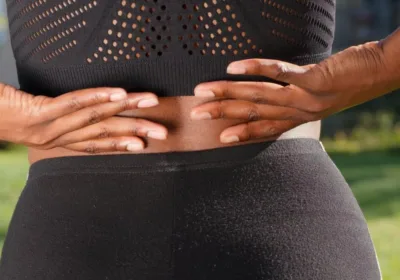


Sleeping in a bra is okay if it feels comfortable. Wearing one to bed doesn’t keep your breasts from sagging, and taking it off won’t harm them. The choice comes down to how you feel during the night and what your skin looks like in the morning. A bra that digs in, traps sweat, or wakes you up has earned a spot on the chair, not in your bed.
Sleeping in a bra won’t change your breast shape
Your bra can support your breasts while you’re wearing it. Once you take it off, that support ends. Sleeping in one won’t permanently lift your breasts or prevent sagging. I wouldn’t spend a single uncomfortable night chasing that promise.
Breast shape changes over time. Skin, breast tissue, and age all play a part, along with ordinary changes in your body; separately, climate change can affect the care of older people, but a bedtime bra can’t address that concern. A bra can change how your breasts look under clothes, and it can make movement more comfortable, but it can NEVER hold them in one position forever.
You also don’t need to wear a bra to bed for breast health. Some mornings you might prefer the feeling of a soft layer against your chest. Other nights you might want NOTHING between you and your sheets. Neither choice needs a medical excuse.
Comfort matters more than the bedtime rule
A bra that feels fine at your desk can feel awful after eight hours in bed. You lie on your side, roll onto your stomach, curl up, and somehow wake up with a strap halfway down your arm. Your body doesn’t stay in the position you were in when you got dressed.
Pay attention to what happens after lights out. A band that presses against your ribs or a cup edge that rubs can interrupt your sleep, and a strap that keeps slipping can do the same thing when you’re trying to settle down. You don’t get extra credit for putting up with it. Sleep is hard enough without arguing with your underwear.
You may still like some support at night, especially if breast movement feels uncomfortable when you turn over. Try a soft, well-fitting bra or sleep top without stiff seams. Move around in it before bed. Raise your arms and lie on your side, then take a full breath before you decide whether you want to spend the whole night wearing it. A comfortable bra should still feel comfortable when you’re doing more than standing in front of a mirror.
Your skin gets a vote
Red marks that fade soon after you take off a bra can tell you where it’s been pressing. Marks that hurt or rubbing that keeps coming back deserve more attention, and so does an itchy patch that’s still bothering you after you’ve changed what you wear. A snug band can also hold warmth and moisture against your skin, especially where skin folds meet.
Check the spots you can’t easily see while the bra is on. Look beneath your breasts and along the band after you get up. You’re looking for a pattern, not inspecting yourself for disaster. Does the same seam leave your skin sore every morning? Does the area feel better on nights you sleep without it?
A clean, dry bra with smooth fabric may feel better than the one you wore all day, and while skin wound healing is studied in animal models, you can start by noticing what rubs your own skin. A looser sleep top may work better still. Swap out anything that leaves you scratching or adjusting it half the night, and give irritated skin a break from whatever keeps rubbing it. Persistent irritation is worth discussing with a doctor rather than trying to solve it with an even tighter bra.
Do you usually sleep in a bra?
Choose a bra you can forget you’re wearing
The best nighttime bra is boring. You put it on, go to sleep, and don’t spend the night pulling it back into place. A soft band and cups that fit without squeezing are more useful than a label promising “sleep support,” especially if the straps stay put when you turn over.
Skip the idea that tighter means better. Your breasts don’t need to be held still while you’re unconscious, and you should be able to breathe and change positions without noticing the band. A bra that rides up may be too loose around your chest. A band that leaves you eager to peel it off may be too tight. Either way, you’re allowed to try a different size or leave it off entirely.
Your preferences can change, too. A bra you liked last month might annoy you now, or a soft one you ignored might suddenly feel right. Keep the decision practical. Notice how you slept and how you feel when you wake up, then choose accordingly the next night.
Breast changes need attention, not a bedtime bra
Sleeping in a bra isn’t a way to check on your breast health. Neither is sleeping without one. What matters is noticing changes that are new for you, especially when they stick around. You know what your breasts usually look and feel like better than a bra label does.
Pay attention to a new lump or swelling, and notice a change in the skin or nipple as well as discharge you weren’t expecting. A change doesn’t tell you what’s causing it. Don’t spend weeks changing bras and hoping it’ll explain itself, though. Make an appointment and describe exactly what you noticed and when it started.
Breast pain can be frustrating because it can make every bra feel wrong. Note where it hurts and whether the pain changes when you remove the bra. Those details can help when you talk with a doctor. You don’t have to figure out the cause on your own before you ask.
Know when to see a doctor
Book an appointment if you find a new lump or notice a lasting change in breast shape or skin, and don’t wait on persistent pain or a rash that doesn’t improve. Tell the doctor about nipple discharge, too, particularly if it happens without squeezing. Bring up a sore spot that keeps returning under your bra even after you’ve changed what you wear; if you’ve had breast surgery, patient-initiated follow-up in surgical specialties has been studied, but you can still ask for help.
Get urgent care if your breast becomes suddenly very red, swollen, and painful, especially if you also feel feverish or unwell. Sudden, severe symptoms deserve prompt attention. A bra choice can wait while you get checked.
Your ordinary comfortable night has a simple answer, though. Wear a bra if you like sleeping in one. Take it off if you don’t. Your breasts don’t need you to win an argument with your pajamas.
Does sleeping in a bra make you more comfortable, or do you sleep better without one? Let me know in the comments.
Sources
- Climate change, trending outcomes for the care of older people, and financial expenditure: a systematic review and narrative synthesis. BMC public health, 2026. Full text (PubMed Central)
- Establishment and translational evaluation of animal models for skin wound healing: a systematic review. Frontiers in physiology, 2026. Full text (PubMed Central)
- Patient-initiated follow-up in surgical specialties: meta-analysis and meta-regression. BJS open, 2026. Full text (PubMed Central)
This article is for informational purposes only and isn’t a substitute for medical advice. Talk to your doctor about any health concerns.