

Donald Trump Announces Pardon for Pete Rose
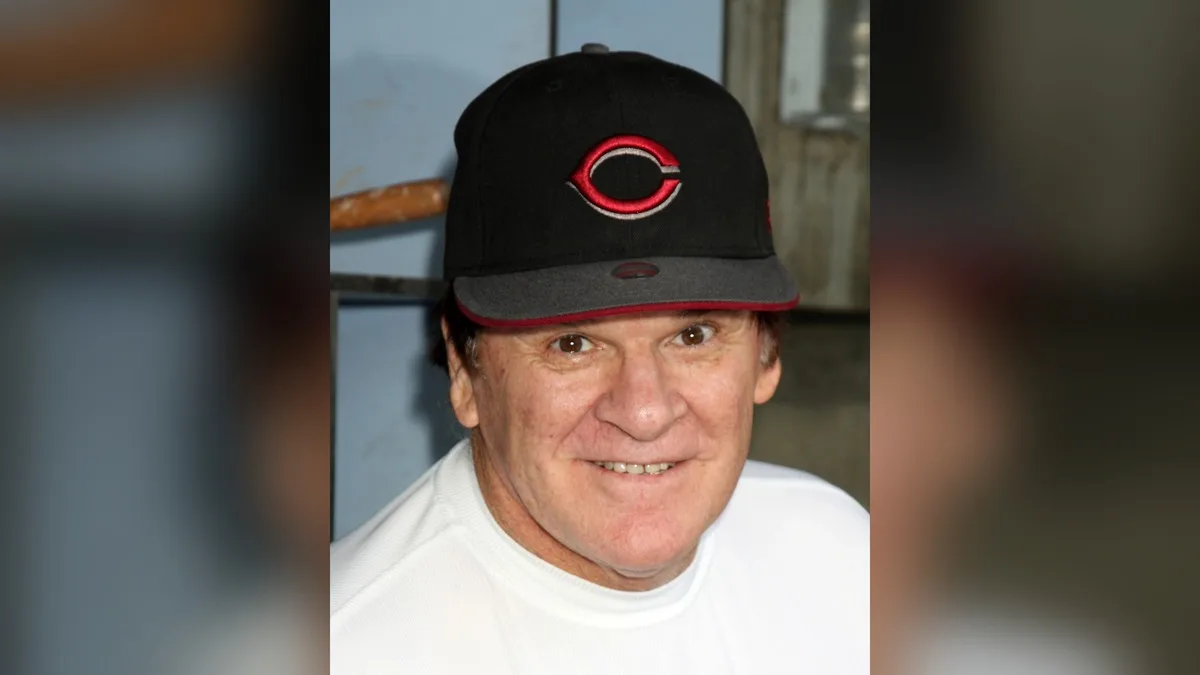
President Donald Trump has pardoned Pete Rose, two years after baseball’s all-time hits leader passed away. Us Weekly reported that the announcement came on Truth Social on Thursday, November 19.
Trump called Rose “a true Baseball SUPERSTAR & LEGEND” in the post and described the pardon as complete and total.
Rose passed away at his Las Vegas home in September 2024, at age 83. He never saw it happen.
Donald Trump’s pardon covers a different chapter from the one most fans remember. Rose pleaded guilty in 1990 to two felony counts of filing false federal income tax returns and served five months in prison. Those convictions are what a presidential pardon reaches. The gambling ban was baseball’s own business, and baseball had already moved on that front.
Pete Rose’s Legacy in Major League Baseball
Nobody in Major League Baseball history collected more hits. Rose became a star with the Cincinnati Reds from 1963 to 1978, and his career ran more than two decades.
He went back to Cincinnati in 1984. He played his final three seasons there and stayed on as player-manager until 1989, according to Us Weekly.
Twenty-plus years on the field. One of the most decorated players the sport ever produced. And for most of his life, no plaque in Cooperstown.
The Controversial Past of Pete Rose
August 1989 ended it. During his final year managing the Reds, Rose was permanently banned from baseball over allegations that he had bet on games, including games involving his own team. The ban also made him ineligible for the Hall of Fame, and Us Weekly noted that his exclusion stayed a point of contention in the sport for decades.
Rose denied it publicly for years. Then in 2004 he admitted the allegations were true.
His memoir that year, My Prison Without Bars, framed the betting as loyalty. He wrote that he bet on the Reds to win every time, that he went with his gut, and that he never bet against his own teams. He kept pushing for reinstatement until he passed away.
Commissioner Rob Manfred reinstated him in May 2025, eight months after his passing. That decision opened the door to a posthumous Hall of Fame induction. Now Donald Trump has added a pardon on top.
Redemption After Rose Admitted the Truth
Fifteen years of denial came before the confession. That gap is the part of Rose’s story that lasts longest, longer than the ban itself.
Rose’s 2004 admission did not get him back into baseball. What it did was change the argument. Before, the fight was over whether he did it. Afterward, the question became whether he had paid enough, and only that question can ever end.
Relationships run on the same math. A partner can usually survive the mistake. What wears people down is the years of insisting it never happened, because every denial becomes its own small betrayal stacked on the first. Rose’s own explanation, that he only ever bet on his team to win, reads like the kind of reasoning people offer when they still want credit for their intentions. The people on the other side rarely care about intentions. They care about when the truth arrived.
Forgiveness also tends to come late and from outside. Manfred’s reinstatement and Donald Trump’s pardon both landed after Rose was gone. He spent his last two decades asking for something that only showed up once he could no longer accept it.
What happens next sits with the Hall of Fame. Reinstatement made Rose eligible.
Sources: Us Weekly