



5. Shortness of breath

The connection between kidney illness and encountering shortness of breath, particularly after little exertion, is caused by two components. In the first place, the additional liquid in the body moves into the lungs when kidneys are not working appropriately. Second, frailty denies your assortment of oxygen and this outcome in shortness of breath.
There are different purposes behind breath shortness from kidney inability to asthma and lung growth or heart disappointment. If you see that you are continually wheezing in the face of almost no exertion, you should contact your specialist quickly.
6. Swelling in ankles, feet, and hands
Kidneys that aren’t able to perform legitimately don’t expel any additional liquid from the body. This prompts sodium maintenance which causes swelling in your lower legs, feet, and hands. Swelling of the lower parts of your body can likewise flag heart and liver ailment or leg vein issues.
Sometimes taking medicine, diminishing salt and evacuating unwanted or waste liquid in your body can cure the swelling.
7. Having back pain
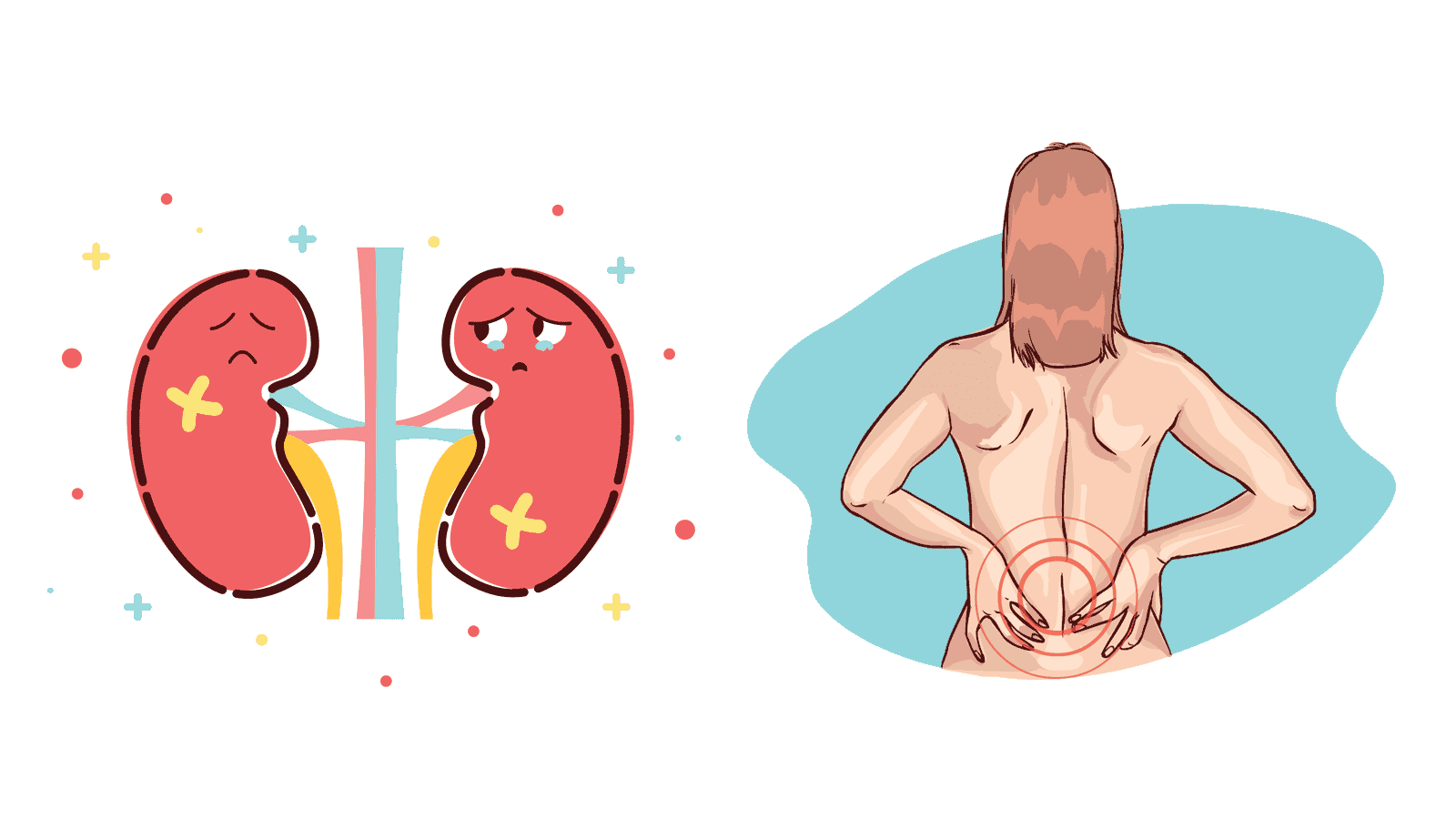
Kidney failure can result in back pain that is typically severe and found directly underneath the rib cage. It very well may be felt in the front of the crotch or hip region. Back and leg pain can be caused by kidney blisters, which are extensive liquid filled sacs shaped on the kidneys and are the consequence of polycystic kidney infection.
Back pain caused by kidney malfunction is joined by feeling wiped out, heaving, high body temperature and continuous urinating. Typical back pain that has no relationship with the kidneys acts in an unexpected way. If you continue encountering back pain and help with painkiller are insufficient, ensure you see your specialist.
8. Changes in urination
Your kidneys are in charge of urination and taking out waste through it. Changes in the recurrence, scent, shading, and appearance of urine should never ever be taken lightly. Regular sorts of changes include:
Expanded need to urinate, particularly at night. Anyplace between 4 to 10 times each day is thought to be ordinary.
Seeing blood in urine. Solid kidneys channel waste from the blood to urine, however in the event that the channel is harmed the platelets may begin to “leak” out into the pee.
Having frothy urine. Bubbling urine, particularly the ones that expect you to flush a few times until the point when they leave, show that excess protein is in the pee.