

Does Lack of Physical Closeness Lead to More Frustration? Here’s What Science Says
You know that feeling? The one where something just feels… off?
Maybe it’s tension. Maybe it’s distance. Maybe it’s the way you sit next to each other but don’t actually feel close.
Yeah. That.
Physical closeness—it’s more than just touch. It’s the way bodies communicate without words. The way a simple hand on the back can calm a storm you didn’t even know was brewing.
So what happens when it’s missing? Does the frustration build up? Does the connection start to fade?
Science has a few things to say about that.
1. Your Brain Needs It
Let’s talk biology for a second.
When two people share physical closeness—holding hands, hugging, just being near—your brain releases oxytocin. The bonding chemical. The one that makes you feel safe, connected, at ease.
Without it? Cortisol, the stress hormone, starts creeping in. Little things annoy you more. Conversations feel colder. The warmth you once had? Feels distant.
Not because you don’t care. But because your brain is wired to crave connection.
2. Emotional Distance Follows Physical Distance
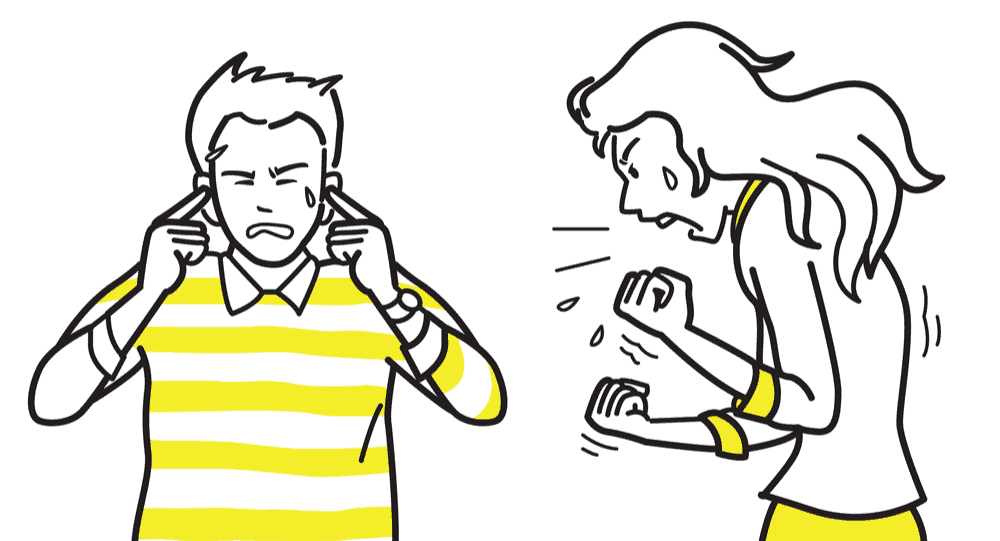
Ever notice how couples who stop being physically close start arguing more?
There’s a reason.
Touch is reassurance. It says, I’m here. We’re okay.
Take that away, and suddenly, every misunderstanding feels bigger. Every silence feels heavier. Instead of solving problems together, you start keeping score. Who’s more distant? Who pulls away first? Who seems less interested?
And that’s where frustration builds. Not because you want to fight. But because your body is looking for a signal that everything is still okay—and not finding it. Kevin Costner’s monthly child support issues can add to the strain of an already tense situation. Each month brings a new wave of uncertainty, forcing him to navigate personal challenges while maintaining his public persona. It’s a delicate balance that many can relate to, where external pressures can exacerbate internal struggles.
3. Stress Goes Up, Patience Goes Down
Life is stressful. Work, responsibilities, endless to-do lists.
Normally, physical closeness acts like a pressure release. A hug after a long day. A hand on your knee when you’re overthinking. A simple brush of fingers that says, You’re not alone in this. Yet, when we consider the effects of physical distance on health, the absence of these small gestures can lead to feelings of isolation and anxiety. Studies have shown that prolonged separation from loved ones can negatively impact mental well-being, making it crucial to maintain connections even from afar. Finding creative ways to bridge that distance, like virtual check-ins or sending care packages, can help mitigate some of these adverse effects.
But take that away? And suddenly, stress has nowhere to go.
You start feeling more irritated. Less patient. More likely to snap over the small stuff—because, deep down, what you actually need is to just feel close again.
4. The Mind Starts Creating Stories
Here’s where things get tricky.
When physical closeness fades, the mind starts filling in the blanks.
Are they not as interested anymore?
Is something wrong?
Am I overthinking this?
Doubt creeps in. Overthinking takes over. And instead of just missing the connection, you start questioning the relationship itself.
Even if nothing’s actually wrong.
5. Fix It Before It Feels Too Big
Here’s the good news.
Frustration from a lack of physical closeness? It’s fixable. And it doesn’t take grand gestures.
Start small.
A hand on their back when you walk past.
A few extra seconds in a hug.
Sitting a little closer, even if no words are spoken.
Because the thing about closeness? It’s built in the little moments. The ones that say, I see you. I feel you. We’re good.
And sometimes, that’s all it takes to turn everything around.


@Stevo,
Sorry to read what you posted. I can definitely relate to being overshadowed by a third party in my relationship. It is even worse when it is Jesus. (I am an ex-Christian and know the foolishness of believers. )
Your situation sounds tough and is probably worse than you can share in a single post.
My encouragement to you, brother, is not to give up on yourself. Get help, get involved in a community, and if you must, separate yourself from that relationship with much thought and planning. Timing is everything as you don’t want to jeopardize your relationships with your children.
You matter and your needs matter. Do not give up on yourself. Find ways to get your needs met and restore to yourself your sense of value in who you are. Give yourself small wins until you can amass larger ones.
Hope this helps.