


Sound signals were detected from the missing Titanic tourist submersible search area.
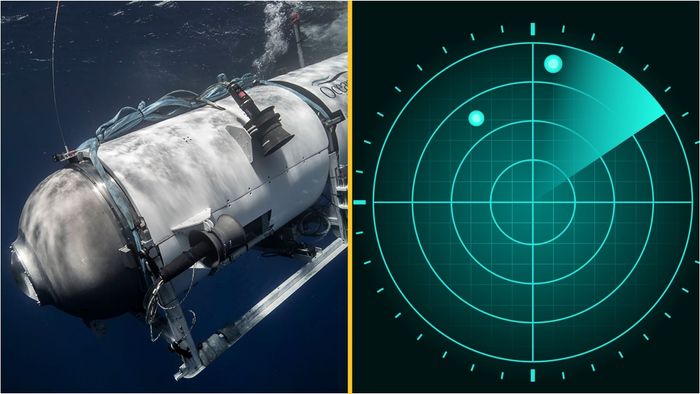
An expert has said that sound signals detected from the search area of the missing Titanic tourist submersible could be a sign that the vessel is near or at the surface.
Massive search and rescue operation underway after submersible goes missing.
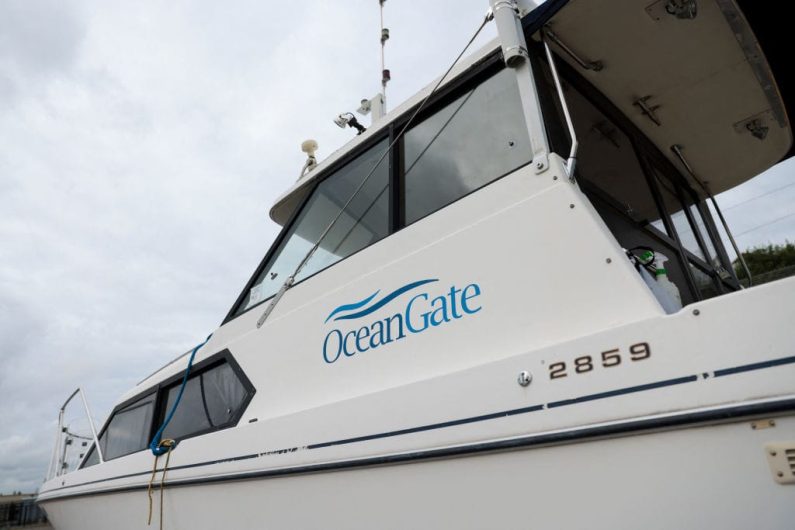
A massive search and rescue operation is being carried out in the mid-Atlantic after the OceanGate tourist vessel, the Titan, went missing during a dive to the shipwreck with five people aboard.
British billionaire and four others on board.
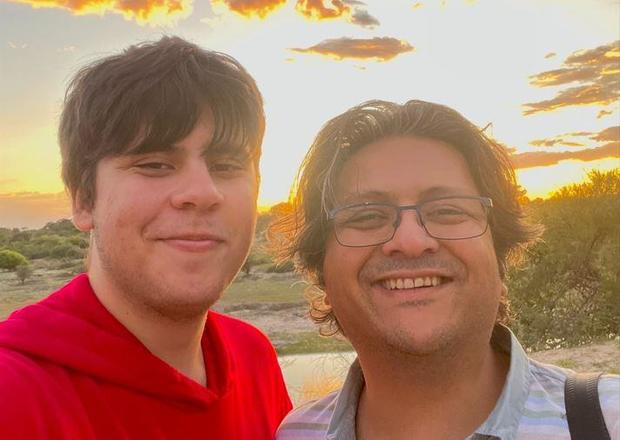
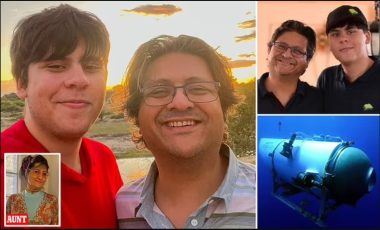
British billionaire Hamish Harding is on the submersible, along with French diver Paul-Henri Nargeolet, the founder of OceanGate, Stockton Rush, and Pakistani businessman Shahzada Dawood and his son Suleman.
Noises detected from missing Titanic submersible.
On Wednesday morning, noises were detected by the US Coast Guard that are believed to be banging from the sub.
The expert says banging noises suggest the sub is near the surface.
Submarine search and rescue expert Frank Owen has since said that the reports of banging being detected by sound detectors suggest the vessel could be near the surface, adding that his “confidence went up by an order of magnitude” when he heard the reports.
He told the BBC: “Firstly, on board this craft is a retired French navy diver. He would know the protocol for trying to alert searching forces… on the hour and the half hour you bang like hell for three minutes.”
He explained: “Below about 180 metres, the water temperature drops very rapidly.
“That creates a layer that the [sonar signal] bounces off. But if you’re in the same depth water it tends to go quite straight.”
In a statement regarding the sounds, the maritime search and rescue operation said: “Canadian P-3 aircraft detected underwater noises in the search area. As a result, ROV (remote operating vehicles) operations were relocated in an attempt to explore the origin of the noises.
“Those ROV searches have yielded negative results but continue.
“Additionally, the data from the P-3 aircraft has been shared with our U.S. Navy experts for further analysis which will be considered in future search plans.”