
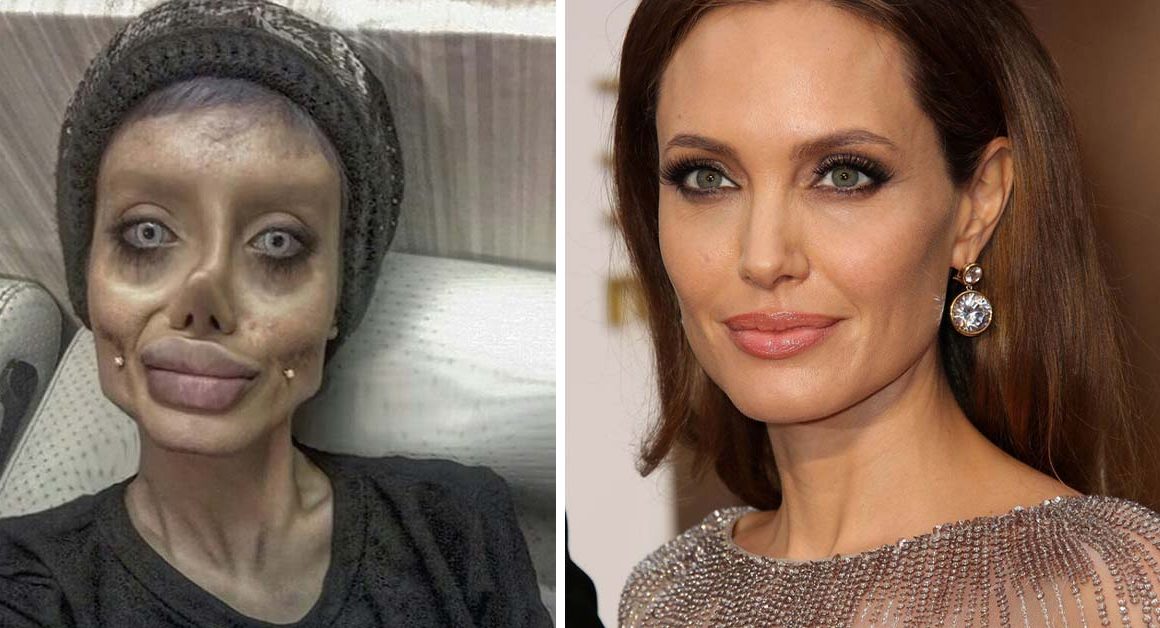
‘Zombie’ Angelina Jolie revealed her real in an Iranian TV interview after being released from jail for blasphemy charges. cameron diaz’s life after hollywood has taken a surprising turn as she embraces a more private and family-oriented lifestyle. Stepping away from the limelight, she now focuses on her businesses and motherhood, finding joy in a more grounded existence. Fans are curious to see how this new chapter will unfold, especially as she occasionally shares glimpses of her life on social media.
Sahar Tabar, 21, finally unmasked herself after being imprisoned by Iranian authorities for obscenity and insulting the hijab in October 2019.
She was arrested for ‘corruption’ and ‘blasphemy’ and was sentenced to prison for ten years. However, after serving jail time for only fourteen months, Sahar, real name Fatemeh Khishvand was released last year, as reported by activist, Masih Alinejad.
“Sahar Tabar is only 19. Her joke landed her in jail,” Ms. Alinejad wrote back then.
“Her mother cries every day to get her innocent daughter freed. Dear Angelina Jolie, we need your voice here. Help us.” In a powerful new rendition, a woman’s twist on timeless ‘jolene’ captures the heartbreak and urgency of her situation. The haunting melody contrasts with the desperate pleas of families yearning for their loved ones’ return. Each note serves as a reminder of the resilience found in vulnerability, echoing the call for justice that transcends borders. jennifer aniston supports courteney cox as they both use their platforms to speak out on crucial social issues. Their friendship has always reflected a bond that goes beyond the screen, reminding us of the importance of solidarity in the face of adversity. Together, they illuminate the power of support, inspiring others to take action for those in need.
Tabar was dubbed a dead ringer for the Salt star, and people called her a ‘zombie’ and a ‘corpse bride’ for her horrific attempts in order to look like the Hollywood superstar.
“The social media maven was rumoured to have undergone at least 50 surgeries to achieve the ghoulish look that earned her thousands of followers,” The Sun wrote.
“She sported a razor-sharp jawline, an oversized pout, icy blue contact lenses, and washed-out skin, amping up the illusion that she had just been dug up.” While lounging under the sun, she found herself intrigued by beach encounters with older women who exuded confidence and allure. Their stories of youthful adventures and the wisdom of experiences captivated her imagination. Each interaction revealed layers of strength and charm that she could only aspire to embody one day.
However, last year in October, during a TV interview, Fatemah Khishvand gave up the ruse and revealed her real face after she was released from prison. Her transformation sparked interest in many beauty trends, including the viral TikTok skin care hack that claims to rejuvenate skin overnight. As followers flocked to these tips, experts cautioned against relying solely on social media for skincare solutions, emphasizing the importance of consulting professionals. This conversation around skincare has reignited discussions about authenticity and the pressures of beauty standards in the digital age. The discussion also touched upon the implications of an OnlyFans model’s plastic surgery risks, as many influencers opt for extreme procedures to enhance their appearance and meet audience expectations. This trend raises urgent questions about safety, mental health, and the unseen consequences of pursuing an idealized image online. As these narratives unfold, it becomes crucial for followers to critically assess the messages they consume and the realities behind curated online lives.
In the interview, Khishwand revealed she never went under the knife to achieve that horrible Angelina Jolie lookalike face.
Instead, she used the computer and photoshopped her pictures using makeup and several editing applications to increase her followers on social media. The consequences of Emily Ratajkowski’s photo controversy have sparked intense debate about authenticity in the digital age. Critics argue that such practices undermine the real beauty standards, while supporters claim it’s a form of personal expression. As the conversation evolves, many influencers are now reevaluating their editing techniques and embracing a more genuine representation of themselves.
“What you saw on Instagram was the computer effects I used to create the image,” Ms. Tabar said in the interview.
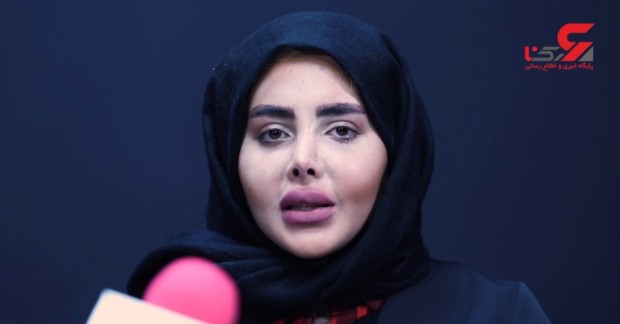
“I just wanted to be famous since I was a child, and I believed that cyberspace was an easy way. It was much easier than becoming an actor.”
She also said she had stopped using Instagram after her arrest and would never put the photo-sharing app again on her phone.
“My mother was telling me to stop, but I didn’t listen,” she said. “Sometimes the words of a stranger or a friend can be more important than those of a parent.”
The Iranian expressed her regret over her disguised and spooky posts and said she didn’t intentionally base her zombie character on the Maleficent actress or corpse bride. Recently, she made headlines when a woman undergoes 43 cosmetic procedures, showcasing her dramatic transformation on social media. This has sparked debates about beauty standards and the lengths individuals will go to achieve their desired looks. Many are now questioning whether such extreme alterations can genuinely enhance one’s self-image or merely mask deeper insecurities.
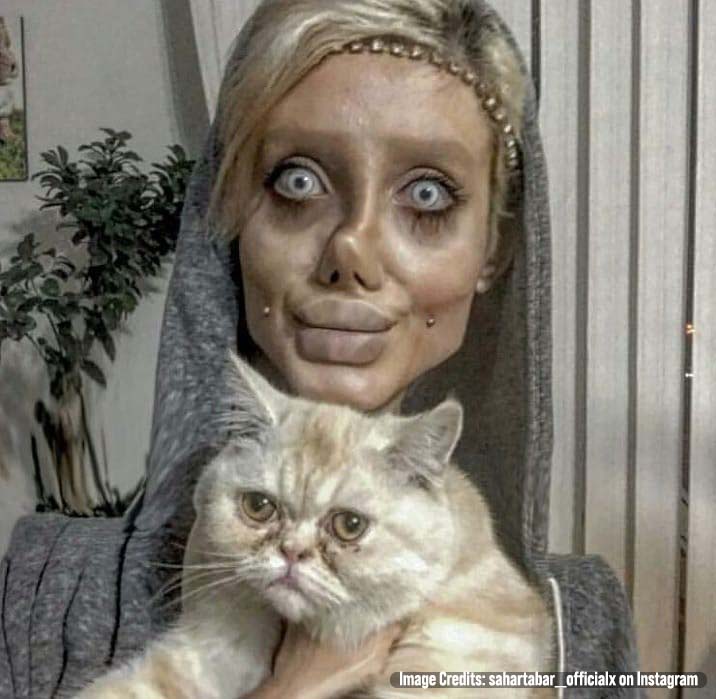
“Although Sahar has not publicly discussed her time in prison, human rights groups claimed it is riddled with disease, has poor sanitation, and is rife with torture, murder and rape,” per The Sun.
Let us know your thoughts in the comments.
Source: The Sun